
“Hustling” has entered the vernacular powerfully as people, faced with a pandemic and a gig economy, have turned to “side hustles” to augment their income. For artists– from authors to painters to musicians– the reality of “hustling” to pursue dreams is more than a supplement to bolster financial gains or increase the odds of success, but a necessity to find footing and share one’s visions.
The Parisian Phoenix flock is always hustling. We love it, don’t get us wrong. While Ralph & Joe are promoting books at a craft fair, Gayle is working on two different books and I am emailing customer support at Ingram and editing a third, and Joan is getting ready for the opening reception of the exhibit Maryann Riker curated at Connexions Gallery.
Newsletters go out. New authors come on board. Existing authors send me ideas for future promotions and projects.
Hopefully, I’ll be able to update this space with everything going on… But do keep in mind that our regular newsletter and archive is now over on Substack, where eventually we hope to also share excerpts from upcoming projects and use their new “notes” and “chat” features. If you haven’t subscribed to our “bookish babble,” please consider it. Here is the home page.
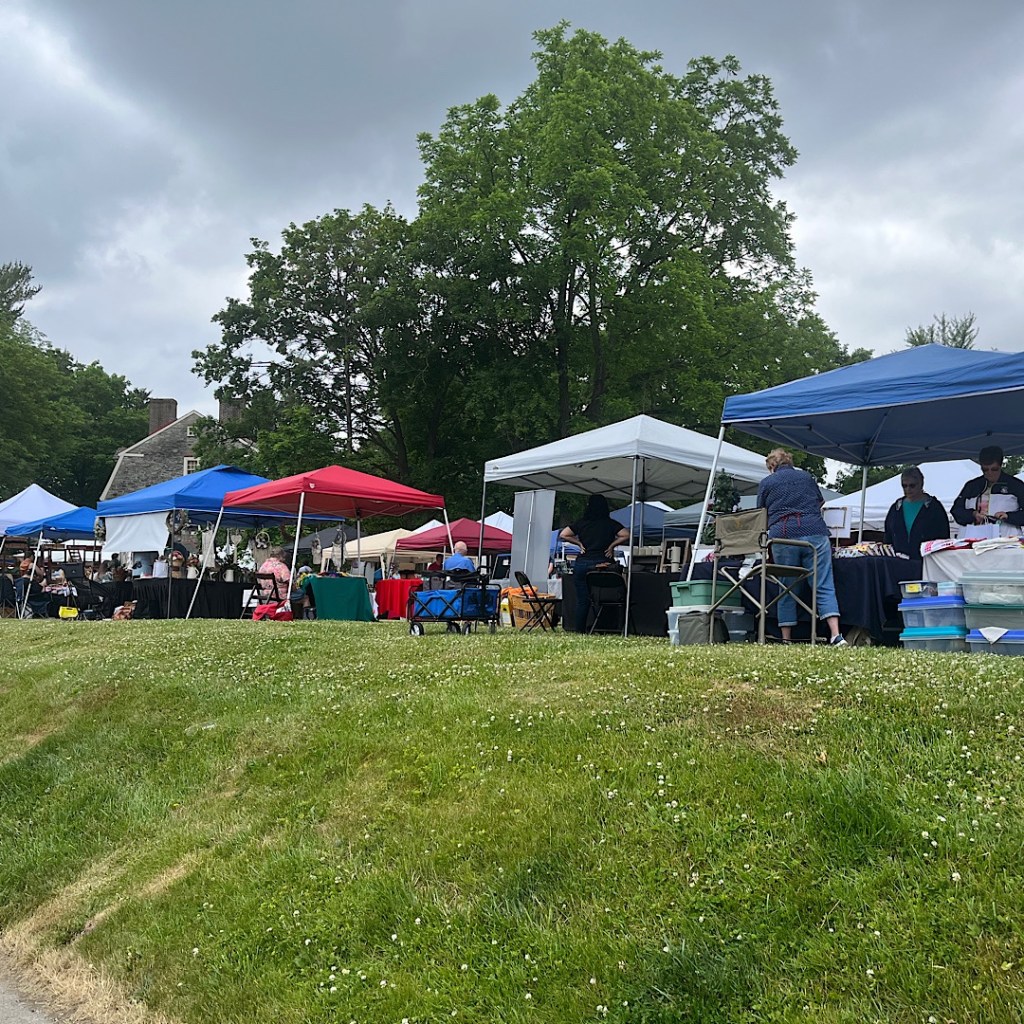
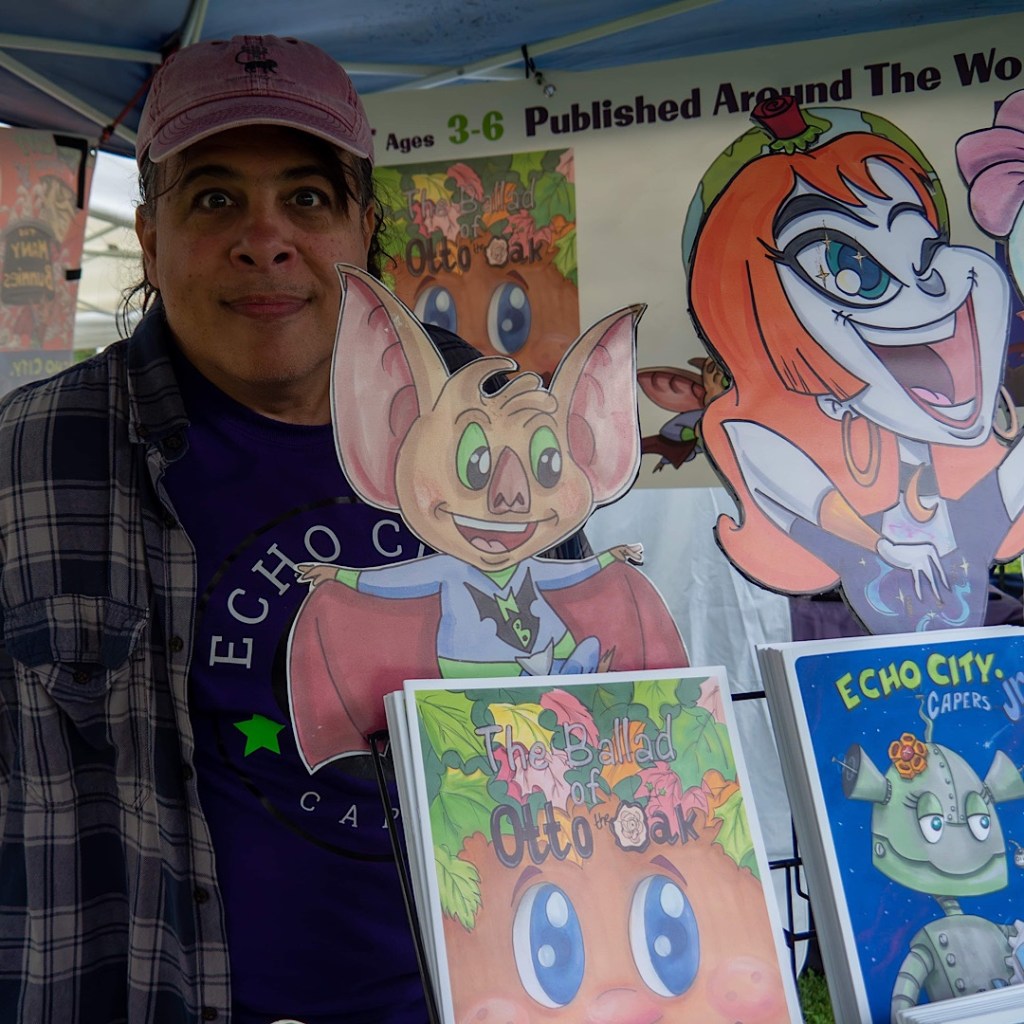
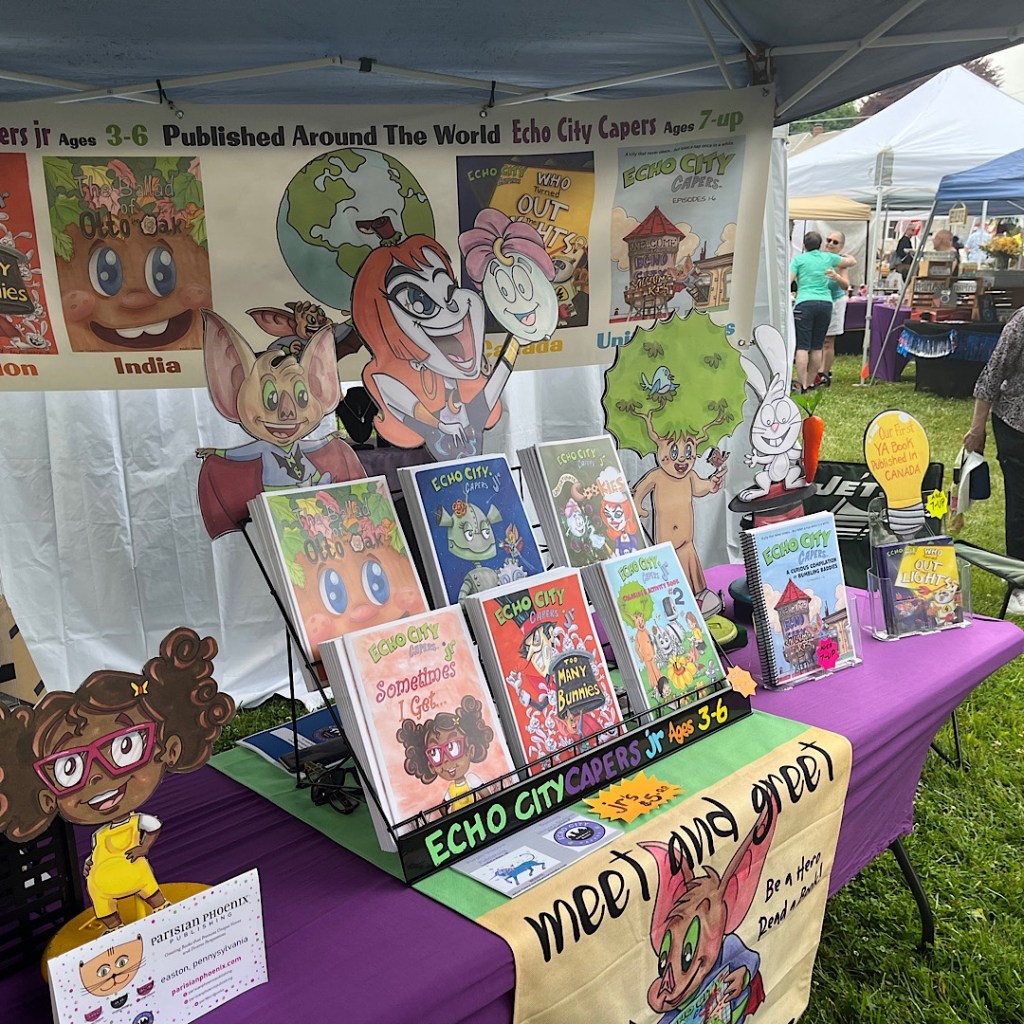
Today, I stopped by the 45th Annual Moravian Historical Society Arts & Crafts Fair where Echo City Capers had a vendor table at the event for at least the second year in a row. I mistakenly wrote that Joe and Ralph were going to be at the farmer’s market, oops, but instead they were on the lawn of the Whitfield House.
Serendipitous Moravian History
At the bottom of this post, you’ll find some photos from the event featuring Echo City Capers. But I also took a moment to explore the grounds, and visit the Whitfield House for a dose of local history. Nazareth and Bethlehem, Pa., both trace their roots to Moravian settlements in the 18th Century. As a once protestant, and a United Methodist who initiated her own baptism at 18, my pastor suggested I study some of the works of John Wesley, whose teachings became Methodism. The divisions that occurred since the Protestant Reformation fascinate me, as the splits happened in a world that had two types of Christians, the Catholics and the Orthodox.
I knew nothing about the Moravians before I attended Moravian College (now Moravian University) in Bethlehem despite the fact that these two well-known towns in the Lehigh Valley are 45 minutes away from my hometown in the Slate Belt, and Moravians are everywhere here.
At Moravian, I worked (a lot) in the admissions office. I rewrote a lot of brochures, stuffed a lot of folders and interacted with all the materials. So, in addition to statues of Jan Amos Comenius and Benigna von Zinzendorf, I lived and breathed these materials that touted the history…
In 1742, Benigna founded a school for girls that later became a college (and eventually a co-ed college and spin-off fancy private school) based on the principles of Comenius who basically said everyone deserves an education.
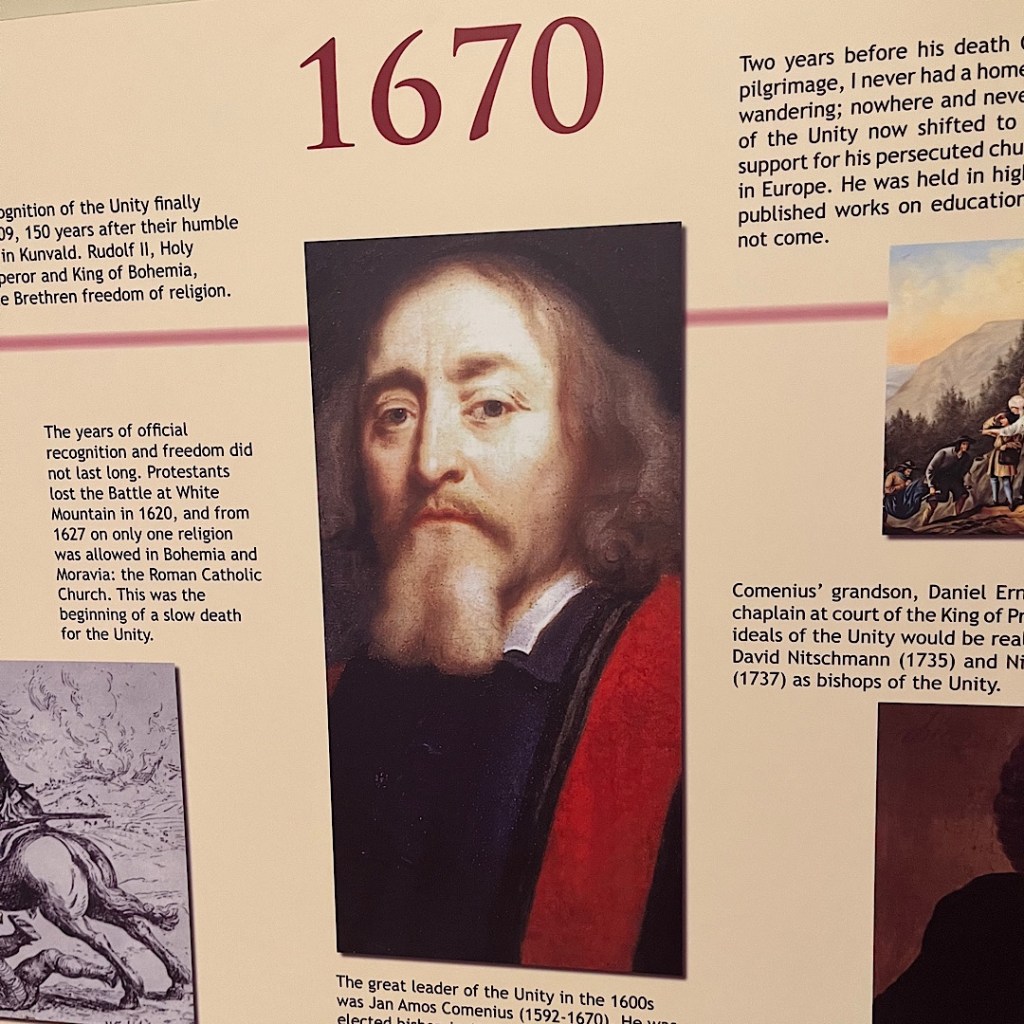

Forgive my lack of eloquence, but the Whitfield House and the Nazareth Historical Society are the caretakers of this local history regarding the Moravians (who, have, in the midst of church, a thing called a “love feast” which means share a heavy cake covered with brown sugar). As part of today’s festival, the Parisian Phoenix crew paid to visit the full exhibit about instrument making in colonial Pennsylvania. It included a serpentine instrument made of wood that when played sounds like a tuba.
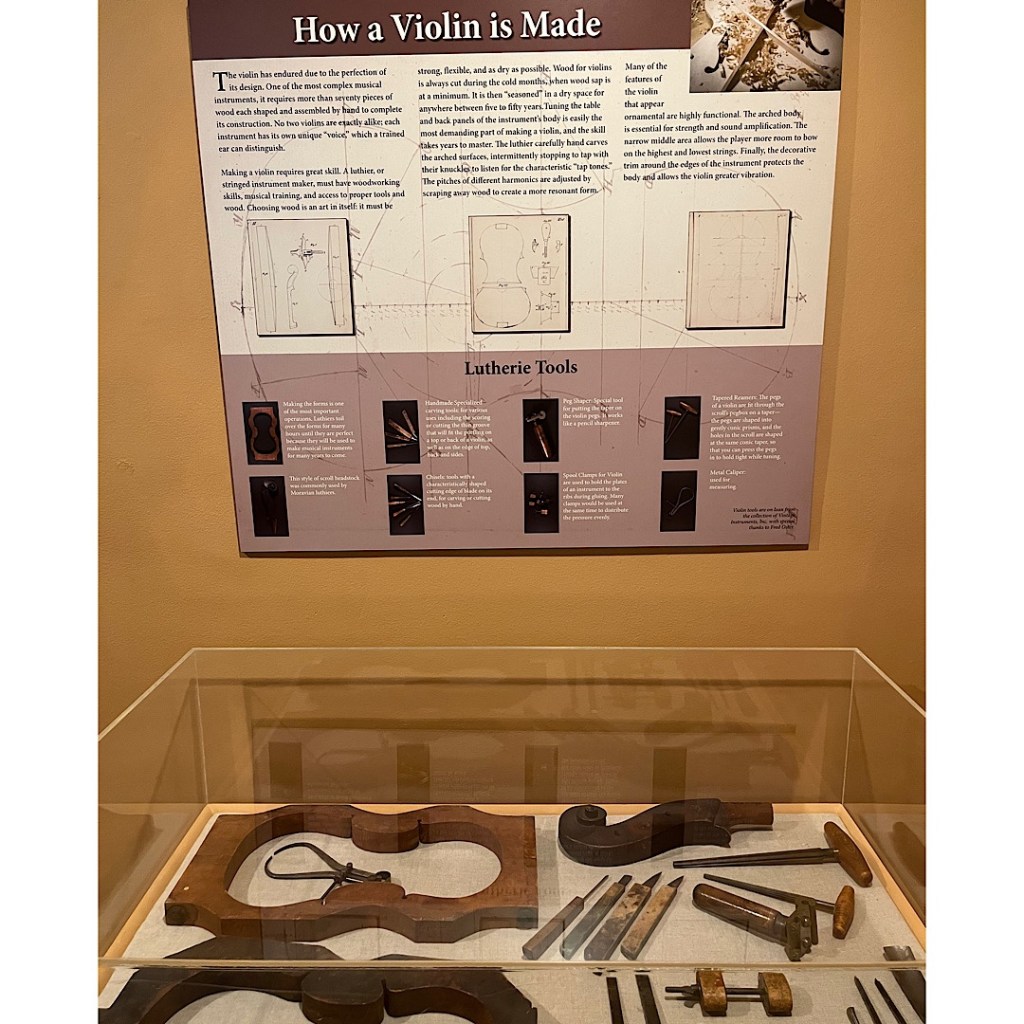
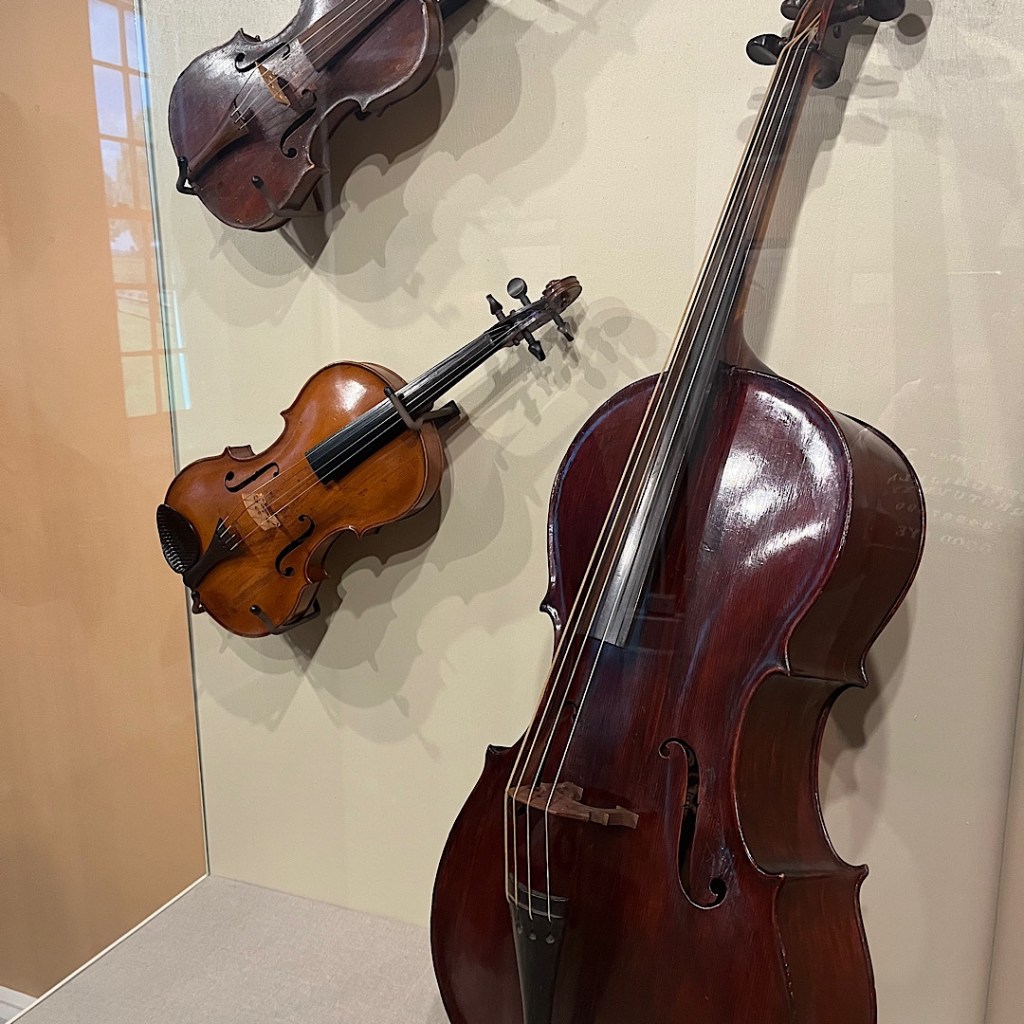
So we saw a whole bunch of old pianos, ate some delicious lavender sugar cookies, and fought hard not to take our wallets out at every booth.
 Parisian Phoenix Publishing
Leave a comment