
I love local history. I own Jim Lee’s book on the history of the Warren County, N.J., canal system and a signed copy of Kingdom of Coal by Don Miller and Richard Sharpless. (The two Lafayette professors wrote the book about the history of the Pennsylvania coal regions.)
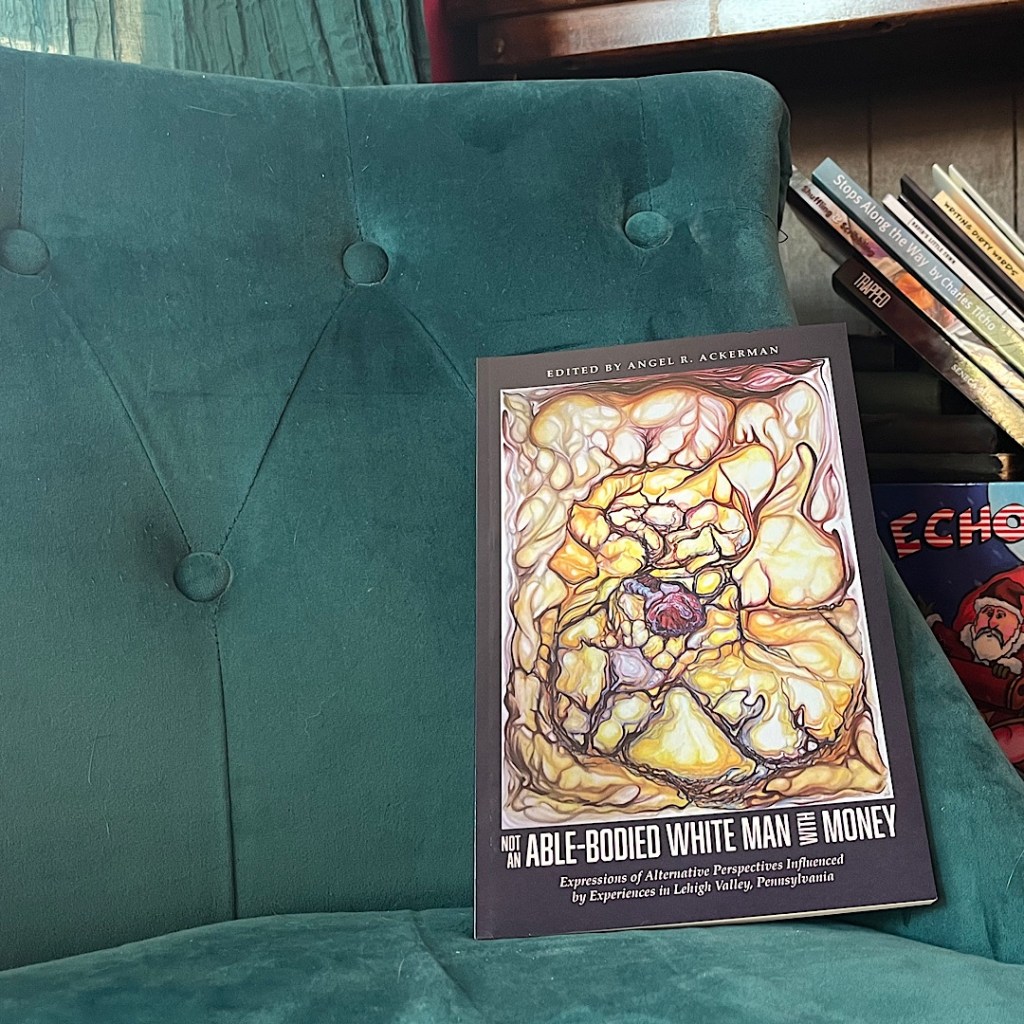
So, it’s not really a surprise that as a publisher, I accepted local history essays into my marginalized voices anthology that I put together in 2022. The theme of the essays, one by Maryann Ignatz and another by my art director Gayle Hendricks, was about growing up in the ethnic, working class neighborhoods of mid-twentieth century Phillipsburg, N.J., and South Bethlehem, Pa., respectively.
Perhaps that’s why Wayne Sherrer has asked me to provide editorial feedback and support on his upcoming book on the African American history of Phillipsburg.
The Free Press
For those of you who don’t know, my origins in full-time journalism trace back to Phillipsburg– I was in the newsroom of the Phillipsburg, N.J., Free Press on September 11, 2001.
Throughout high school I wrote features for a local weekly newspaper that originally covered only sports. I went on to serve as a stringer for a large New Jersey daily in college.
By the time I reached The Free Press, I had never heard of a subscription-based local news weekly. The paper was owned by NJN Publishing and served as a sister operation to the nearby daily newspaper, The Express-Times, which, not too much earlier had been the result of a merger between The Easton Express, where I had received their high school journalism award, and The Bethlehem Globe-Times.
I had a desk in the newsroom behind the secretary/receptionist on the second floor of an old movie theater in a residential neighborhood in Phillipsburg. My boss worked out of Hackettstown, N.J., which was a good 25 miles away. We didn’t even have a managing editor, just a publisher who put the paper together on Wednesdays and a team of paginators.
On the first floor we had a printing press and if I remember correctly, we ran some of the flyers for the Express and some other commercial print jobs. And for those of you who have seen the old presses in motion, even the small ones like the one in that building, would shake the walls and the floors as the clatter and booming of the machine rocked.
And parking in the neighborhood was all on street and the cars parked so close you often couldn’t walk between the cars. I learned a lot about community. I learned a lot about news. I learned how to parallel park.
The Roseberry Gess Homestead
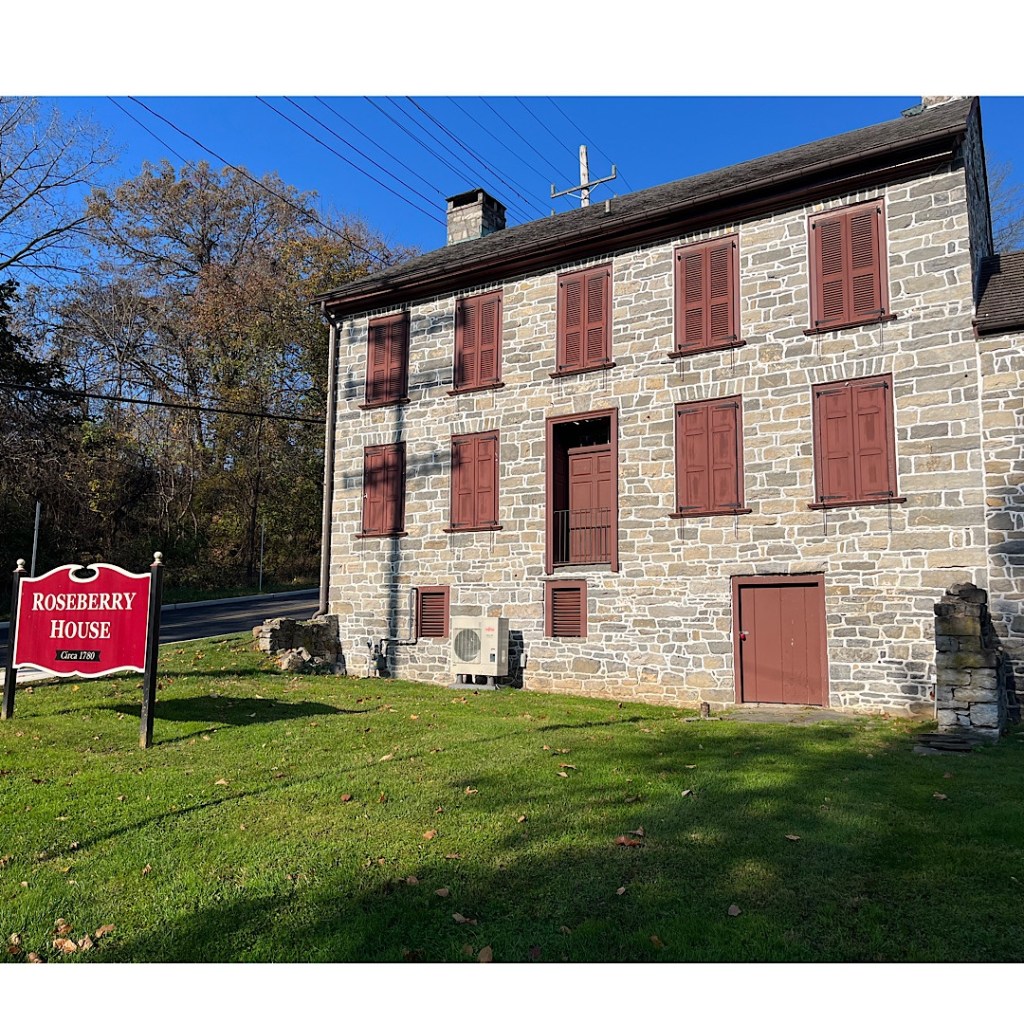
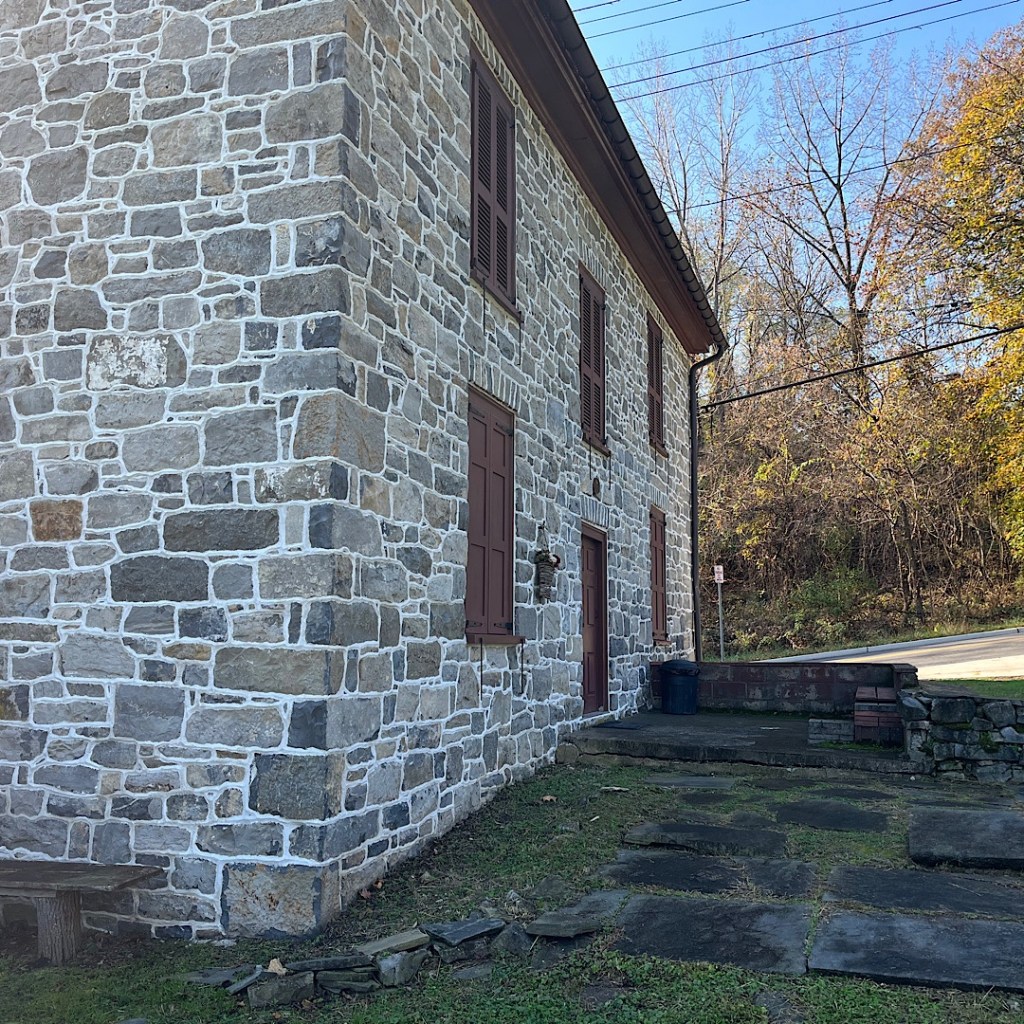
The Phillipsburg Historical Society formed in the 1970s specifically to save and preserve the Roseberry House, which traces its roots to the Colonial Era. One thing led to another and eventually the property ended up in the hands of the local electric company, and until the Twentieth Century it never had the modern amenities like an indoor bathroom or central heat.
The electric company sold it to the school district so they could build a school on the property. The school district planned to tear it down but some local amateur historians decided to apply to have it placed on the national historic register.
The school district then turned it over to the newly-formed historical society, (while they still build a school in the acreage behind it) and it didn’t take long for disagreements to splinter the society. The bathroom came out, the electric baseboards came out, and when the exterior porch came off because it wasn’t original, some members left.
But what volunteer organization doesn’t have some heated arguments from time to time?
Parisian Phoenix at the Open House

Wayne wanted to feature Maryann’s essay at the open house and highlight all of the local authors trying to preserve Phillipsburg history. Several authors contributed books for the historical society to sell– including Reyna Favis’ paranormal book that uses the Roseberry House as a setting– donating the sales or all of the profits to the historical society.
With the idea coming together rather last minute, I offered my services to cashier (and I promised to not wear a stitch of pink nor would I promote my business) and Parisian Phoenix donated use of a credit card reader and any associated fees.
We’re here, as a publishing company, to highlight those unique voices and diverse perspectives that commercial publishing ignores and local history, in my opinion, does not receive enough attention.
The Books
It occurs to me now looking at the 25+ photos I took that day, I did not manage to capture all the books.
ON DISPLAY:
- Three of the five Phillpsburg sports-themed books by Dave Leone, who passed away last year
- The Bootleggers of Montana Mountain


FOR SALE:

- The History of Phillipsburg Airport
- The Ingersoll-Rand Locomotives
- Dishwater Hill
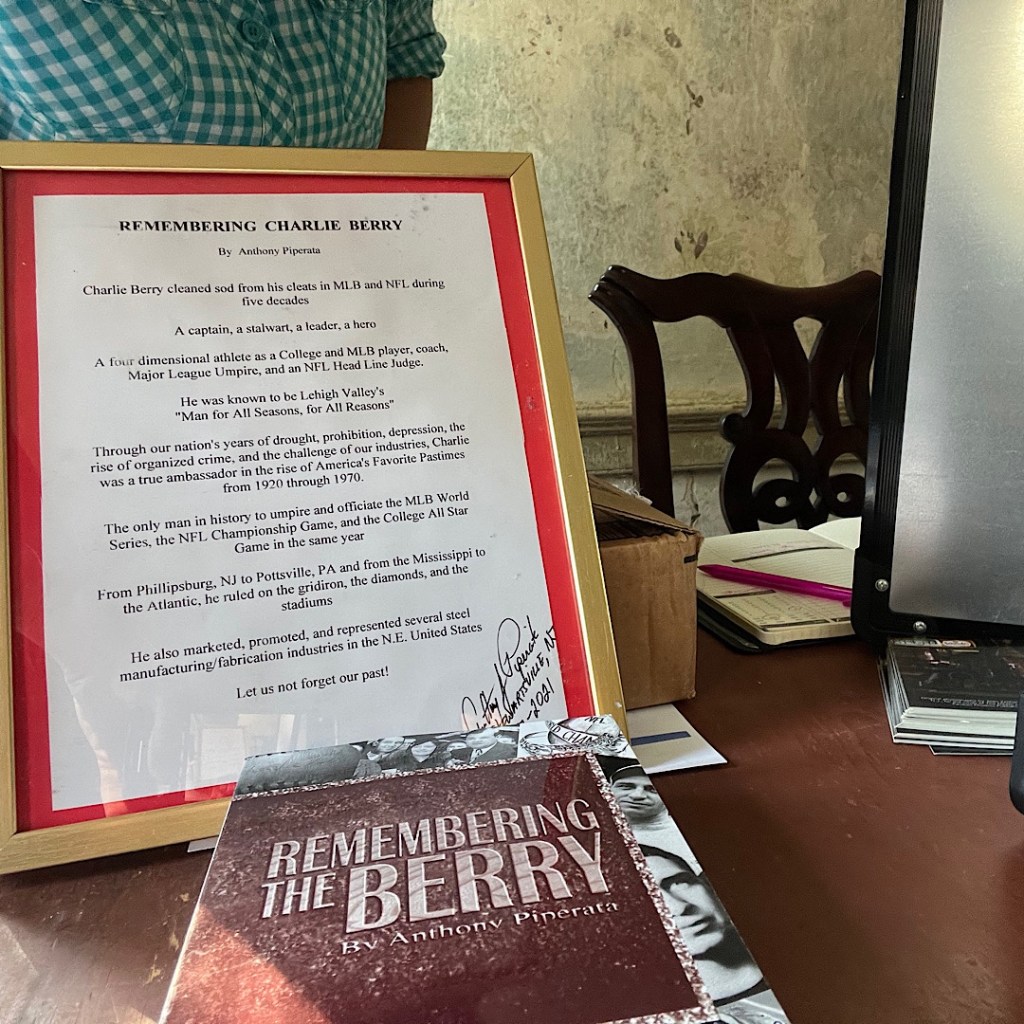
- Remembering The Berry
- The Commemorative 150th Anniversary of Phillipsburg
- Soul Sign (mentioned above)
- Not an Able-Bodied White Man with Money (featuring Maryann Ignatz and her essay on growing up in her family’s tavern, Steve’s Café)
With any purchase, of any book, Parisian Phoenix included a postcard featuring Steve’s Café as it appears on the cover of Larry Sceurman‘s The Death of Big Butch.
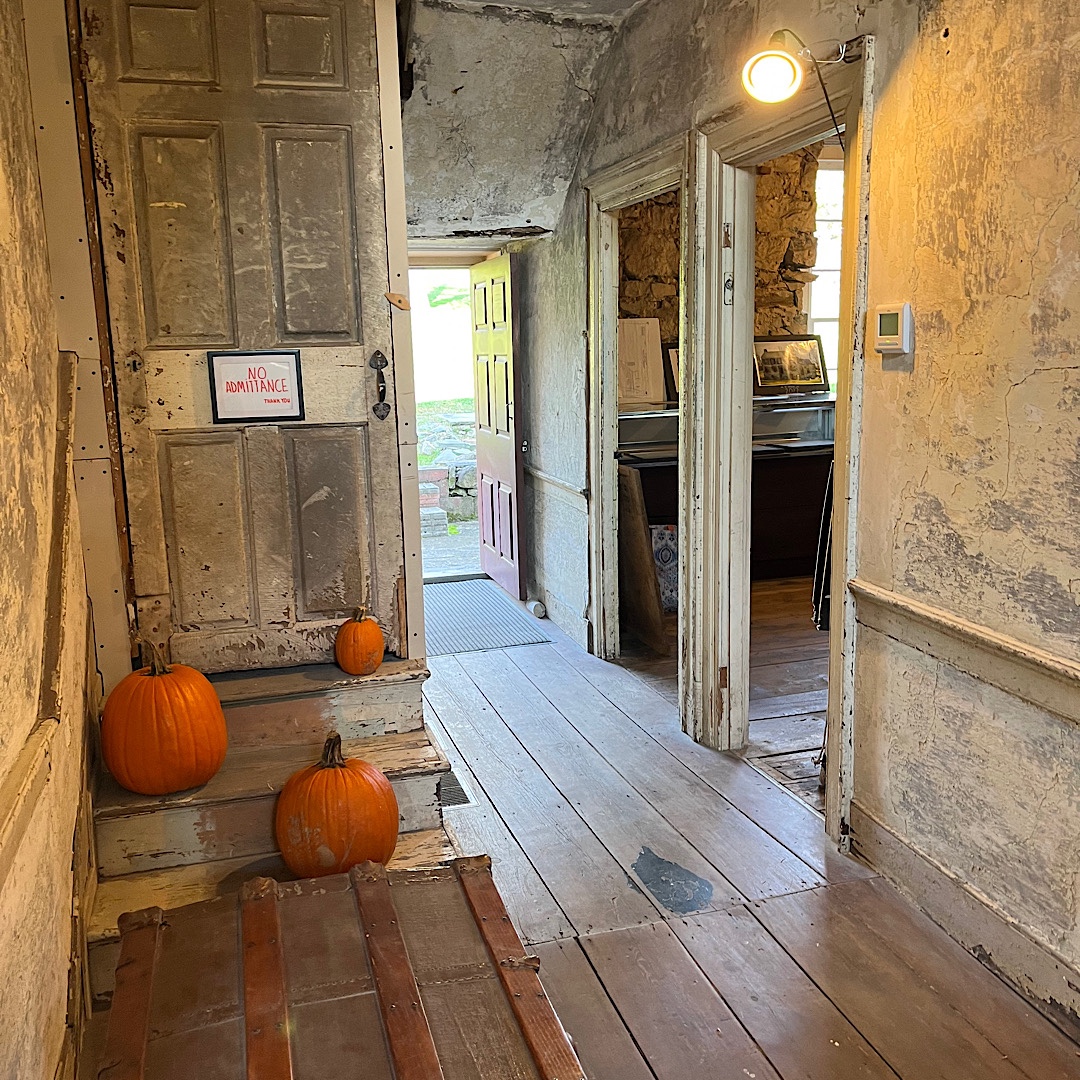

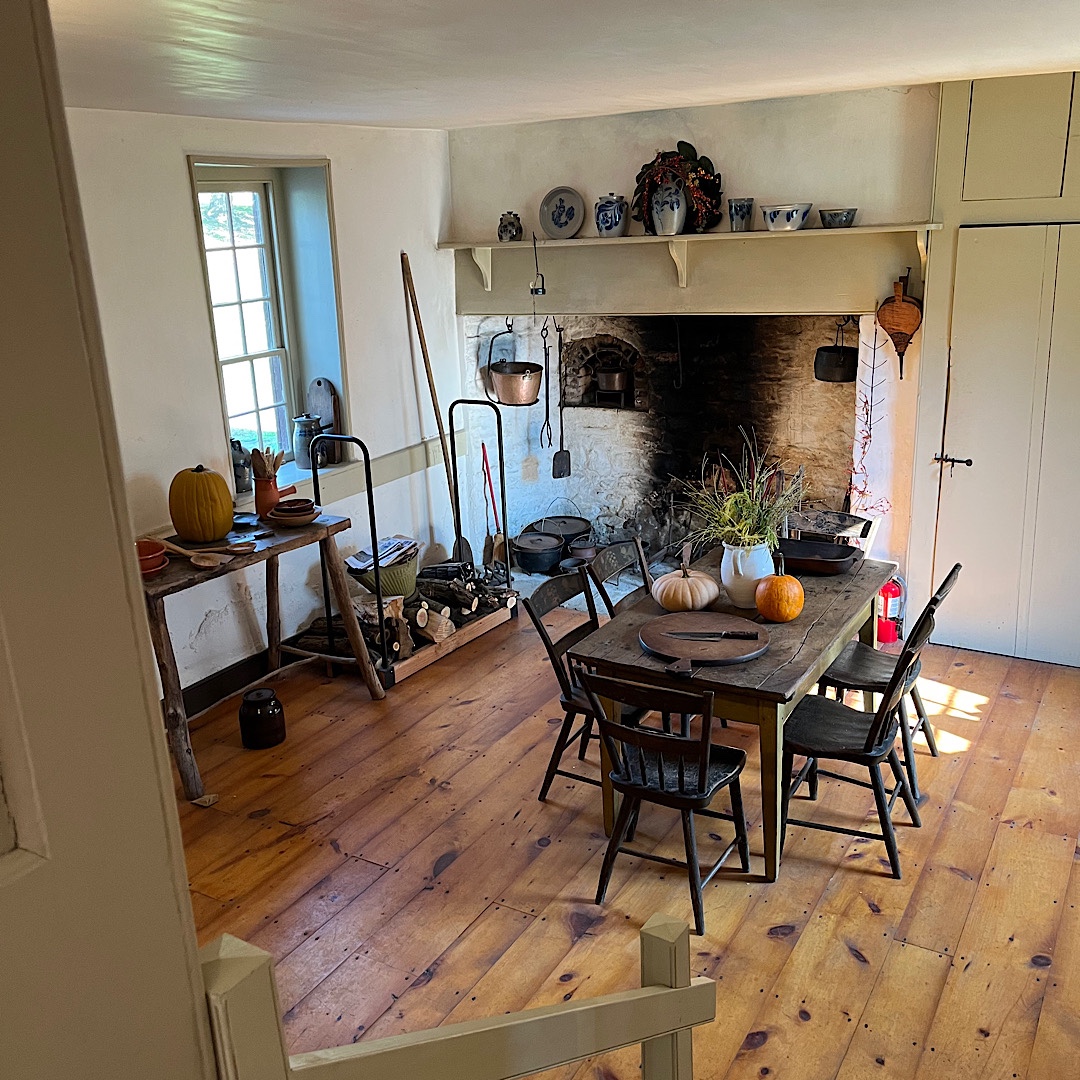
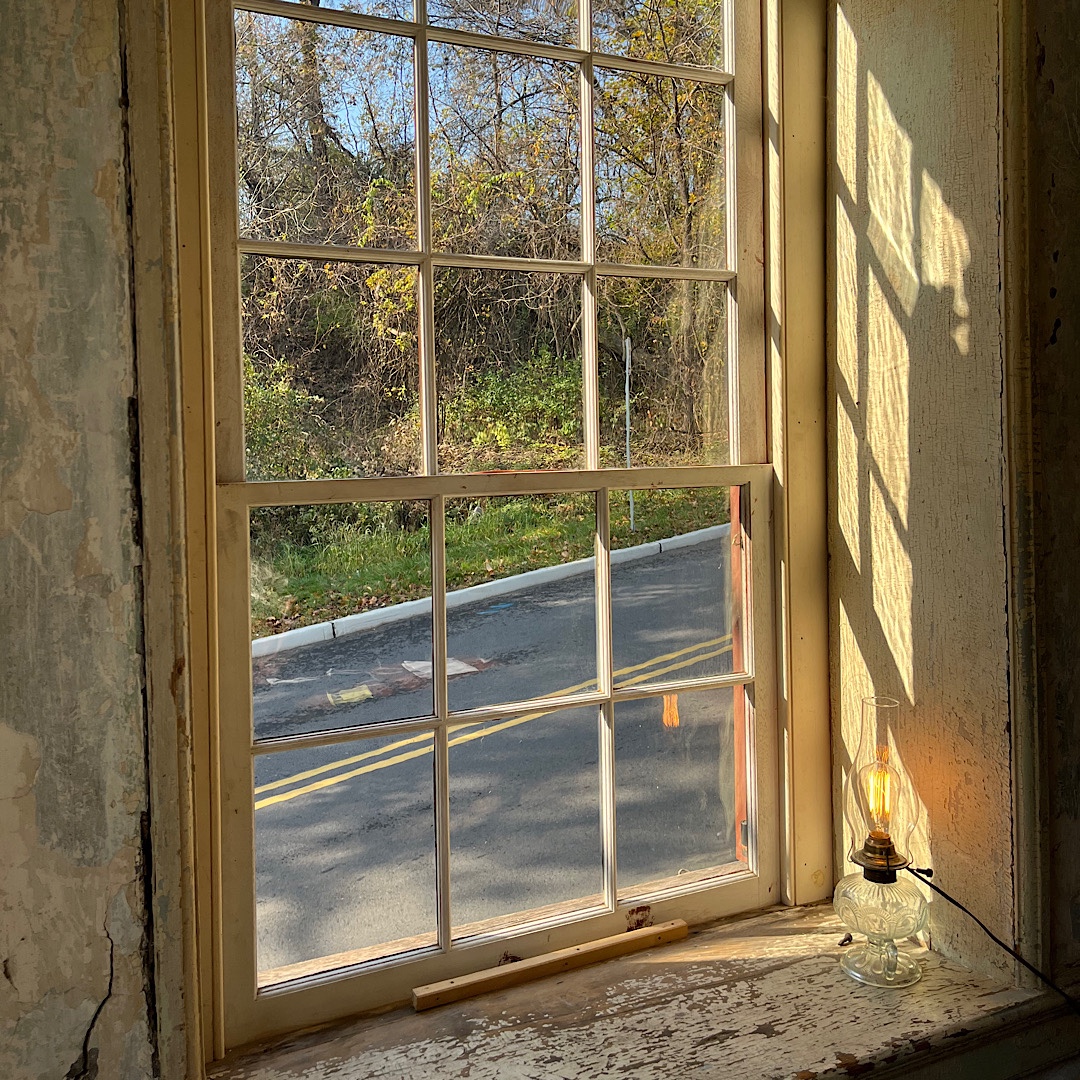
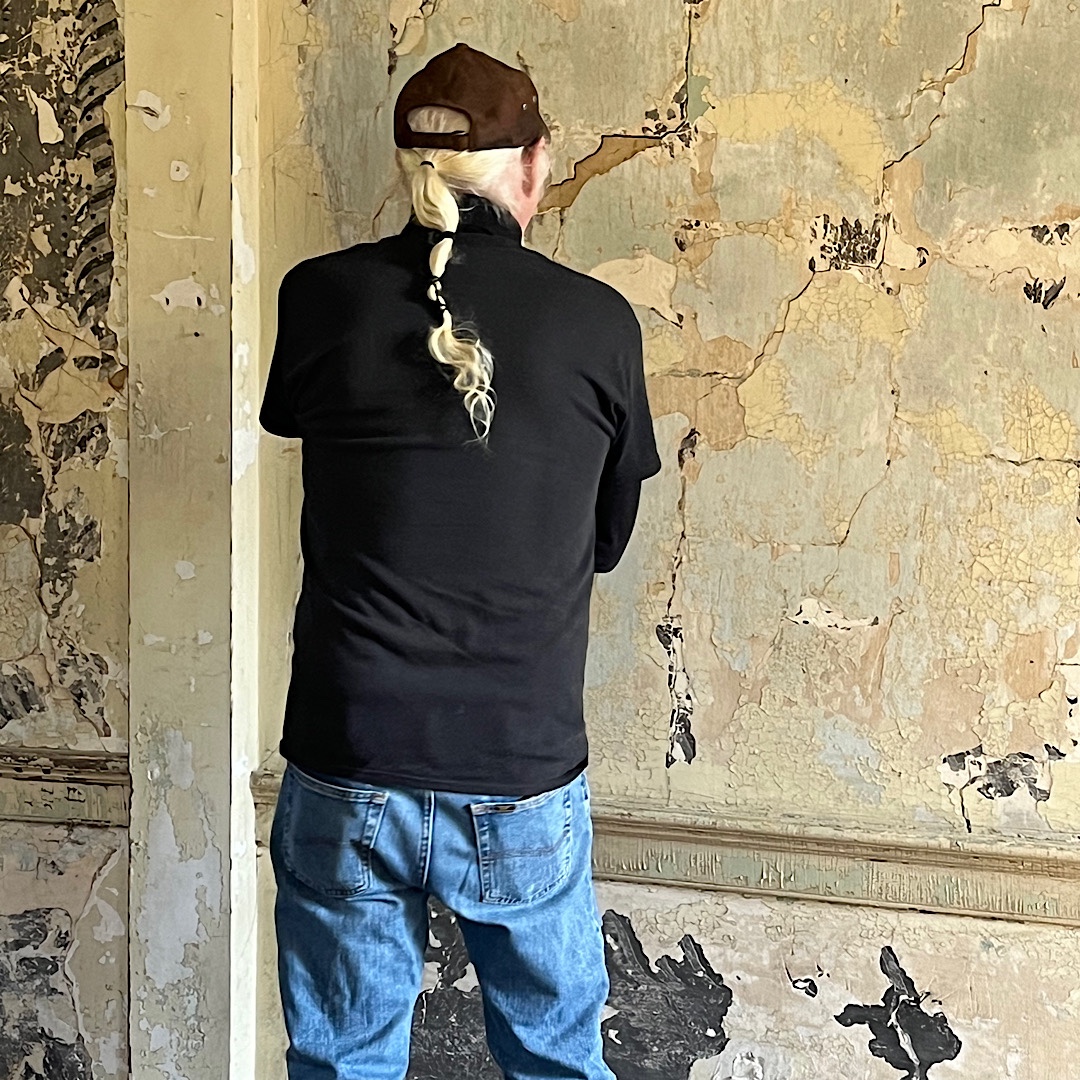
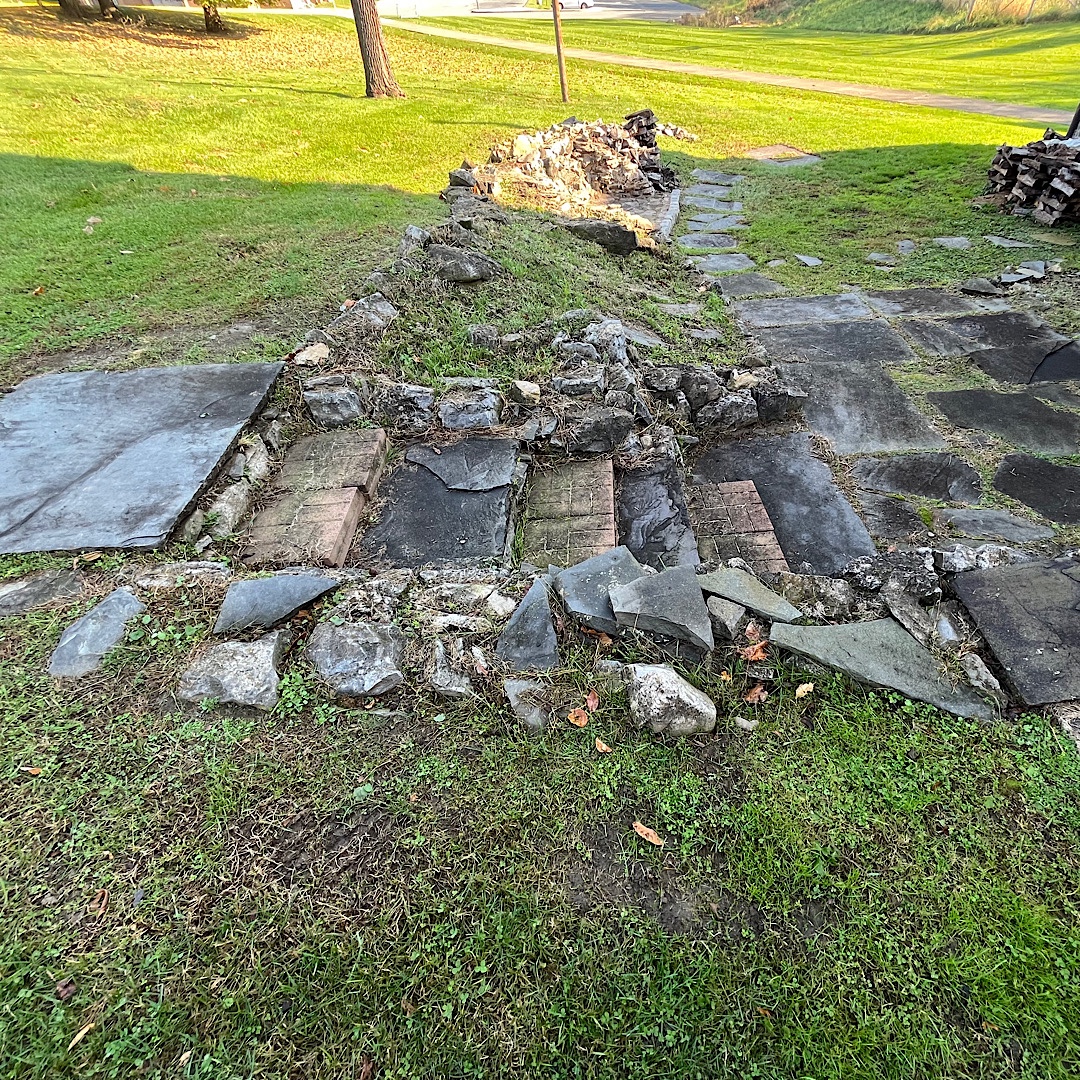
In exploring how the historical society has stripped back the layers of the Roseberry Gess House, it makes me wonder what my childhood home would look like if similarly reverted. The farmhouse my parents rented for 30 years dated from the 1700s, with, as happened with the Roseberry House, an addition added in the early 1800s. My bedroom was in the “new” portion of the house.
We had the same wide-plank wood floors, similar trim and many of the same door latches. Perhaps that’s where my love (and respect) for history originated.


 Parisian Phoenix Publishing
Leave a comment